When to Choose Stainless Steel for Your Fabrication Project
Choosing the right material is one of the most important decisions in any fabrication project. This article is written for engineers, project managers, procurement teams, and business owners evaluating stainless steel for industrial or commercial applications. The perspective reflects Swanton Welding Company’s experience working with a wide range of fabrication materials and operating environments. It explains when stainless steel makes sense, how different grades perform, where it is commonly used, and what factors should guide your material selection process.
You are planning a fabrication project and trying to choose the right material. On paper, several options look similar. Pricing varies, lead times shift, and every supplier seems to recommend something different. At first, it feels like a straightforward decision. Then the questions start stacking up.
Will it hold up in your environment?
Will it last as long as you expect?
Will it create more maintenance work down the line?
Choosing the wrong material does not always show up right away. It often reveals itself months or years later, when corrosion appears, surfaces break down, or performance starts to slip. By then, fixing the issue is far more expensive than getting it right from the start.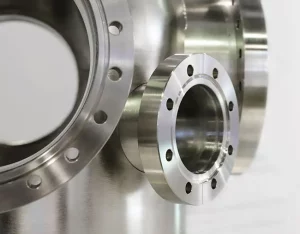
When the Material Choice Starts Working Against You
You might be focused on upfront cost or availability. That is understandable. Budgets matter and timelines are real. But if the material cannot handle your operating conditions, those early savings disappear quickly.
Think about what your fabricated components will face every day. Exposure to moisture, chemicals, or extreme temperatures can wear down certain metals faster than expected. Even something as simple as frequent cleaning or outdoor exposure can shorten the lifespan of the wrong material.
If your components begin to corrode, stain, or weaken, you are not just dealing with appearance. You are dealing with performance issues, safety concerns, and unplanned downtime. That can disrupt operations and create added costs that ripple through your entire project.
This is where stainless steel often enters the conversation.
Why Stainless Steel Stands Up to Tough Conditions
Stainless steel is widely used because it holds up in environments where other materials struggle. Its performance comes from its composition, particularly the presence of chromium.
When exposed to oxygen, chromium forms a thin protective layer on the surface of the steel.
This layer helps prevent rust and slows down corrosion. Even if the surface is scratched, the layer can rebuild itself under the right conditions.
That built-in protection makes stainless steel a strong option for projects where durability matters. It also performs well in high-temperature environments and can maintain strength without requiring excessive thickness.
For you, that means you can rely on a material that aligns with demanding operating conditions instead of constantly working around its limitations.
Understanding the Different Types of Stainless Steel
Not all stainless steel is the same. Different grades are used based on how the material will be used and what it needs to withstand.
Here are the main categories you are likely to encounter:
- Ferritic stainless steel
This type contains chromium with low carbon content. It performs well in environments where corrosion resistance is needed but welding is limited. It is often used in marine-related applications and is magnetic. - Austenitic stainless steel
This is the most common category. It is known for its ability to be formed and welded while maintaining strength. It includes added elements like nickel and nitrogen, which improve durability and corrosion resistance. - Martensitic stainless steel
This option is used where high strength is required along with moderate resistance to corrosion. It is commonly found in tools and equipment that need to withstand wear. - Duplex stainless steel
This combines properties from multiple categories, offering high strength and resistance to cracking caused by corrosion. It is often used in demanding industrial environments. - Precipitation hardening stainless steel
This type can be formed into complex shapes while maintaining strength. Additional elements are used to increase durability for specific applications.
Choosing the right type depends on how your fabricated components will be used. That includes exposure to heat, moisture, chemicals, and physical stress.
Where Stainless Steel Makes the Most Sense
Stainless steel is not always the default choice, but there are situations where it clearly stands out.
In environments where cleanliness matters, stainless steel is often preferred because it resists staining and is easy to maintain. That is why it is commonly used in medical settings and food processing operations.
If your project requires a strong material that does not add unnecessary weight, stainless steel offers a solid balance. It can be used in thinner sections while still meeting performance requirements.
Appearance also plays a role in some projects. Stainless steel maintains its finish over time, even with regular use or exposure to the elements. That makes it a practical option for visible structures or equipment where long-term appearance matters.
Common Applications That Rely on Stainless Steel
You will find stainless steel used across a wide range of industries because of its adaptability. It performs well in both indoor and outdoor environments and can handle exposure to liquids, heat, and harsh conditions.
Some of the most common applications include tanks for storing liquids or gases. These tanks are used in industries ranging from agriculture to food processing and waste management. Stainless steel holds up under constant exposure and does not easily degrade.
It is also used in furnace components and high-temperature environments. The material maintains its strength even when exposed to sustained heat, making it a dependable option for these conditions.
Outdoor structures and equipment often rely on stainless steel for its ability to resist weather-related wear. From large-scale architectural features to smaller fabricated components, it continues to perform even after years of exposure.
Equipment used near or in water is another area where stainless steel stands out. It resists corrosion caused by moisture and can handle both fresh and saltwater environments.
In settings where acidic substances are present, stainless steel maintains its integrity better than many alternatives. That helps extend the lifespan of the equipment and reduces the need for frequent replacement.
When Another Material Might Be a Better Fit
Even with its advantages, stainless steel is not always the right choice for every project. There are situations where other materials may align better with your goals.
If cost is a major concern and the environment is less demanding, alternatives like coated or galvanized steel may provide a more budget-friendly option. In some cases, protective coatings can offer enough resistance for the intended use.
The key is to match the material to the job. That means looking at how the component will be used, what it will be exposed to, and how long it needs to last.
Working with a Fabrication Partner Who Gets It
Choosing the right material is only part of the process. How that material is handled, formed, and assembled plays a major role in the final outcome.
At Swanton Welding Company, your project is built around your specifications and operating requirements. Whether you need stainless steel or another material, the focus stays on delivering fabricated components that perform the way you expect in real-world conditions.
With decades of experience across a wide range of industries, the team understands how different materials behave and how to work with them effectively. That means fewer surprises and a smoother path from start to finish.
Make the Right Call for Your Project
Material selection can shape the long-term success of your fabrication project. Stainless steel offers durability, corrosion resistance, and consistent performance in demanding environments, but it is important to match those benefits to your specific needs. Swanton Welding Company works with you to fabricate components that align with your requirements and hold up over time. If you are weighing your options and want clarity before moving forward, contact us today.