How Precision Rolling and Forming Improves Consistency and Productivity
Inconsistent bends, curves, and formed components can lead to rework, wasted material, and assembly delays. This is written for manufacturers and customers who need reliable, repeatable fabricated components. Swanton Welding Company combines precision rolling and forming equipment with experienced fabricators to produce consistent results based on customer specifications.
Consistency matters throughout the fabrication process, but it becomes especially important when a project involves multiple components that need to match one another. A small variation in a bend, radius, or formed shape can create problems when parts move into assembly or need to work with other components.
Precision rolling and forming helps fabricators produce repeatable results across individual parts and production runs. When the right equipment is combined with experienced operators and careful attention to customer-provided specifications, fabrication shops can produce components consistently while reducing unnecessary waste, rework, and production delays.
For manufacturers and other customers purchasing fabricated components, this consistency has a direct impact on cost, scheduling, assembly, and overall project reliability.
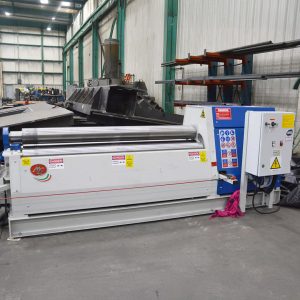
Why Consistency Matters in Metal Fabrication
Fabrication rarely involves producing a component in isolation. Parts often need to fit with other pieces, be assembled into a larger product, or match components produced earlier in a production run.
This makes consistency particularly important for rolled and formed components. If one part has a different radius or bend than another part that is supposed to match it, additional adjustments may be necessary before assembly can continue.
Variations can also create problems further down the production process. A component that does not meet the required dimensions may need to be reworked or replaced, consuming additional material, labor, and machine time.
Precision rolling and forming help reduce these variations by providing greater control over the forming process. The goal is to produce each component according to the specified requirements and maintain that consistency throughout the production run.
Precision Rolling Produces Repeatable Curves
The challenge is not simply creating a curve. The curve needs to be consistent with the requirements of the finished component, and multiple pieces may need to match one another.
Precision becomes even more important when working with complex shapes or customer-specific requirements. Experienced fabricators can account for the material and specifications to produce repeatable results.
Forming Accuracy Can Reduce Rework
Rework is one of the easiest ways for fabrication costs to increase. When a part does not meet the required specifications, the fabricator may need to spend additional time correcting it. In some cases, the part may not be recoverable.
Precision forming can help reduce these situations by producing bends and curves more consistently from the beginning.
For customers, fewer rejected or reworked components can mean less wasted material and labor. It can also help prevent one fabrication issue from creating delays later in the production process.
This is particularly valuable when a project involves several fabrication stages. A component that meets its requirements when it leaves the rolling or forming operation is less likely to create problems during subsequent fabrication and assembly.
Consistency Supports Faster Production
Precision is not only about quality. It can also contribute to productivity.
When components are produced consistently, fabricators spend less time correcting variations between parts. Fewer adjustments can help keep production moving, particularly when producing multiple components with the same specifications.
Consistent processes can also make production more predictable. Instead of discovering that individual parts require additional work, the fabrication team can maintain a more consistent workflow from one component to the next.
For customers, that efficiency can contribute to shorter production timelines. While the exact turnaround will depend on the project, material, quantity, and requirements, a controlled and repeatable fabrication process can reduce unnecessary interruptions.
Better Material Utilization Can Help Control Costs
Material is a significant part of fabrication costs, which means reducing unnecessary scrap can have a direct financial benefit.
When components are formed accurately and consistently, there is less risk of producing parts that cannot be used because they fall outside the required specifications.
Precision rolling and forming cannot eliminate every potential source of waste, but a consistent process can help minimize waste associated with incorrect or inconsistent forming.
Predictable Quality Helps Keep Projects Moving
Consistent fabrication helps provide greater predictability throughout that process. When parts are produced to the required specifications, customers can have greater confidence that the components will be ready for their next stage of production or assembly.
That predictability can be particularly valuable when multiple suppliers or production operations are involved. A component that arrives with unexpected variations can create delays that extend well beyond the original fabrication process.
Working with a fabrication partner that emphasizes consistency can help reduce those downstream surprises.
The Value of Equipment and Experience Working Together
Precision equipment is an important part of repeatable fabrication, but equipment alone does not produce consistent results. Skilled fabricators play an equally important role in setting up and managing the forming process.
Different materials and component requirements can affect how a piece needs to be processed. Experienced fabricators understand the importance of following customer-provided specifications and maintaining consistency throughout production.
The combination of capable equipment and experienced personnel gives customers access to a more controlled fabrication process. That can translate into fewer adjustments, less rework, and more consistent finished components.
Precision Supports Both Quality and Productivity
Precision rolling and forming should not be viewed solely as a quality-control consideration. Consistent forming can influence nearly every part of a fabrication project, from material usage and labor costs to production schedules and assembly.
For customers, the benefits are straightforward: components that consistently meet specifications, fewer issues during assembly, less waste and rework, and a more predictable production process.
Swanton Welding Company combines rolling and forming capabilities with experienced fabrication personnel to produce components according to customer-provided specifications. Whether your project involves a small production run or a larger quantity, maintaining consistency throughout the fabrication process can help control costs. If you’re looking for an experienced fabrication shop for your next project, contact Swanton Welding today.